SupermicroTechnical profile
SYS-222C-TN
CloudDC compute with qualified, configuration-specific accelerator options.
7 documented fieldsRead profile
Multi-GPU server platforms organized around the chassis and accelerator role, with configuration-dependent power, riser, cooling and storage planning kept explicit.
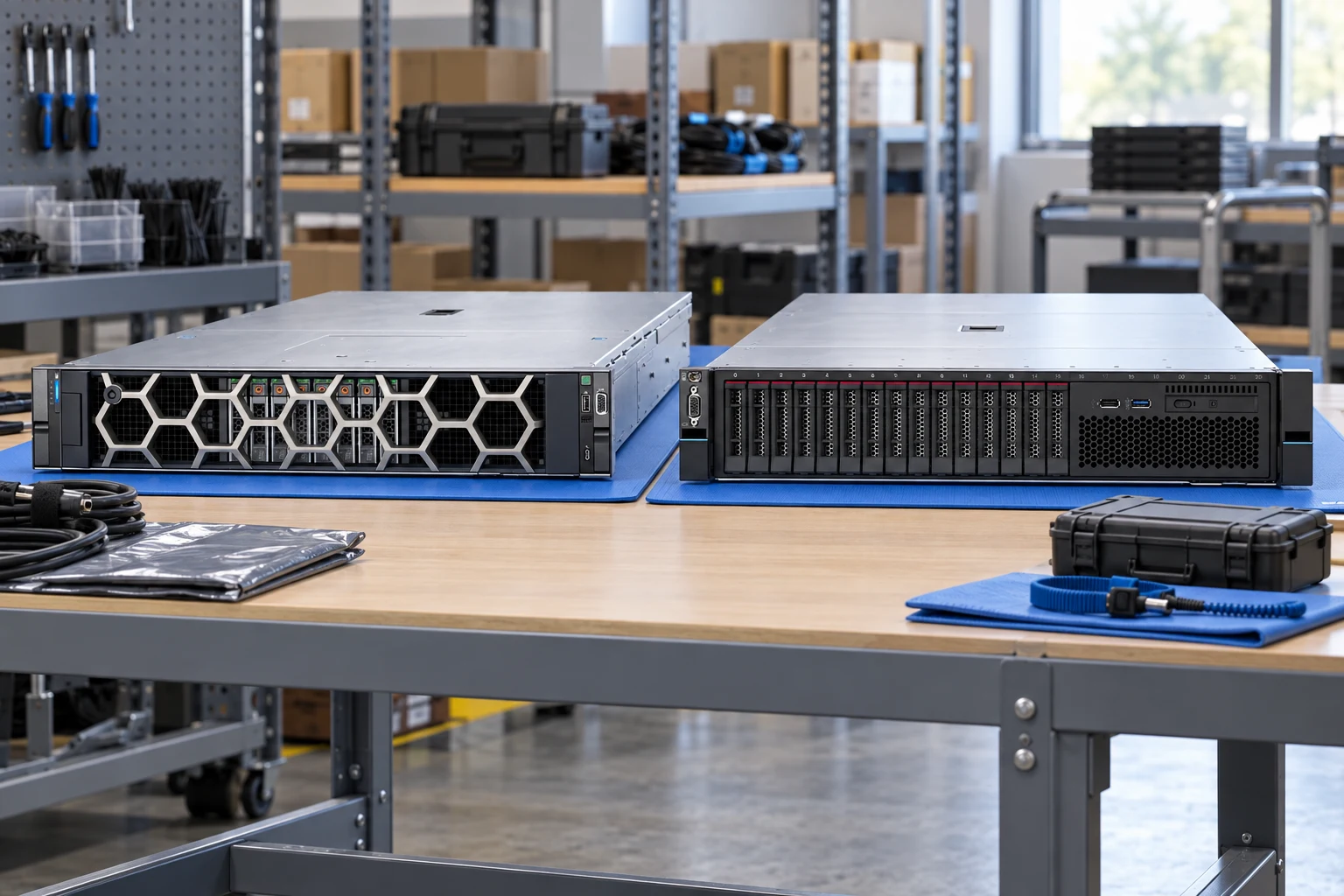
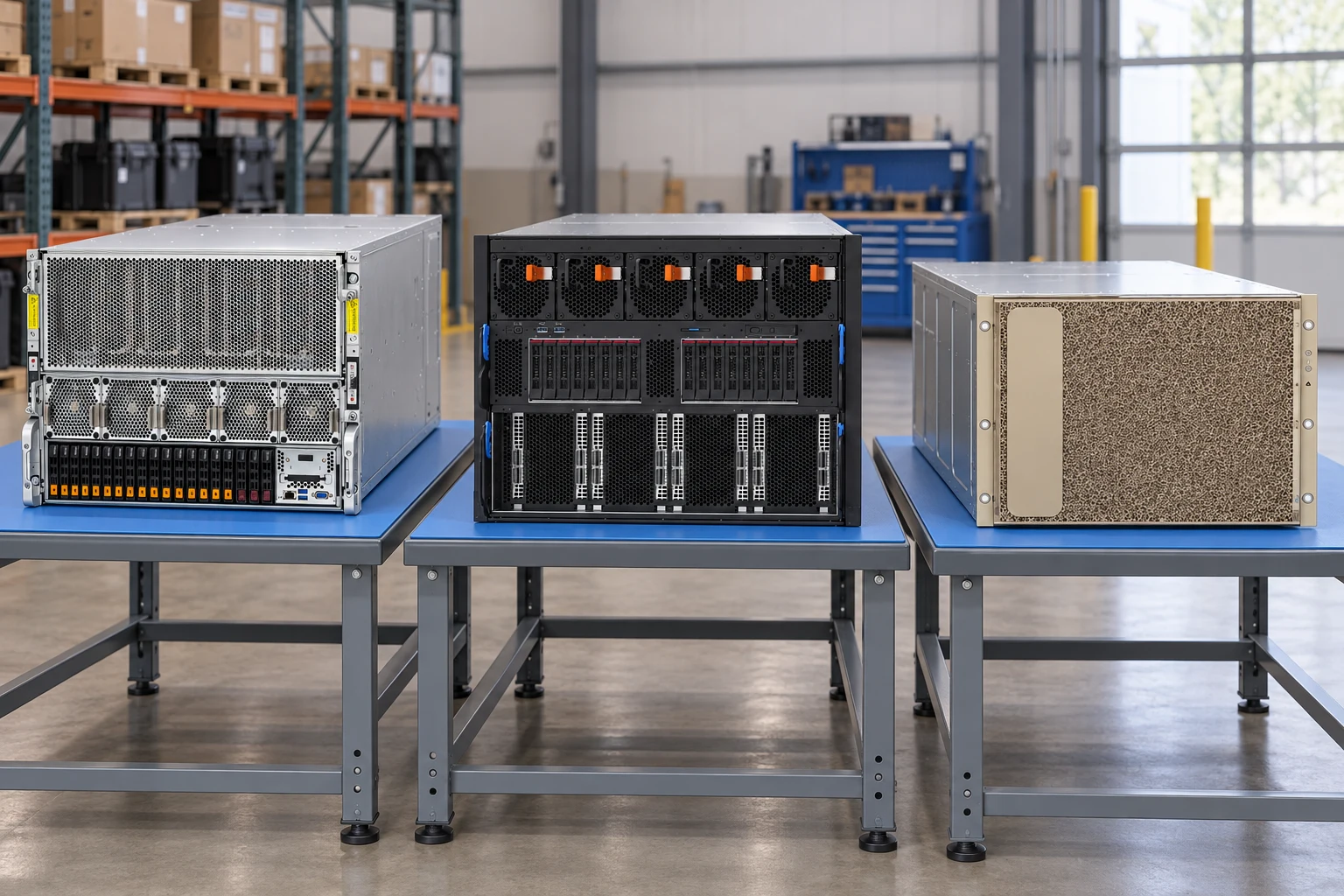
Separate manufacturer facts from configuration decisions and the condition of the offered unit.
2 reviewed profiles shown · Filters apply to this technical collection. Search the complete catalog instead →
CloudDC compute with qualified, configuration-specific accelerator options.
Specify the Server Edition and the validated thermal implementation.
Current PowerEdge accelerator platform.
ExploreGen12Accelerator-optimized HPE ProLiant Compute platform.
ExploreV4Current Lenovo accelerated-compute platform.
Explore4U · GPUHigh-density Supermicro GPU server sourcing page.
Explore4U · 8 GPU classASUS GPU server platform and RFQ path.
Explore3U · GPUPrevious-generation accelerator platform retained for sourcing.
ExploreSpecify the CPU, population and growth path—not just the total gigabytes.
Read the guideQualification, thermals and infrastructure belong beside GPU memory in the RFQ.
Read the guideTurn a condition label into a documented, agreed acceptance scope.
Read the guideAttach a photo brief to the request for GPU servers for AI, VDI, rendering and HPC. This is a checklist to agree, not a record that inspection has already been performed.
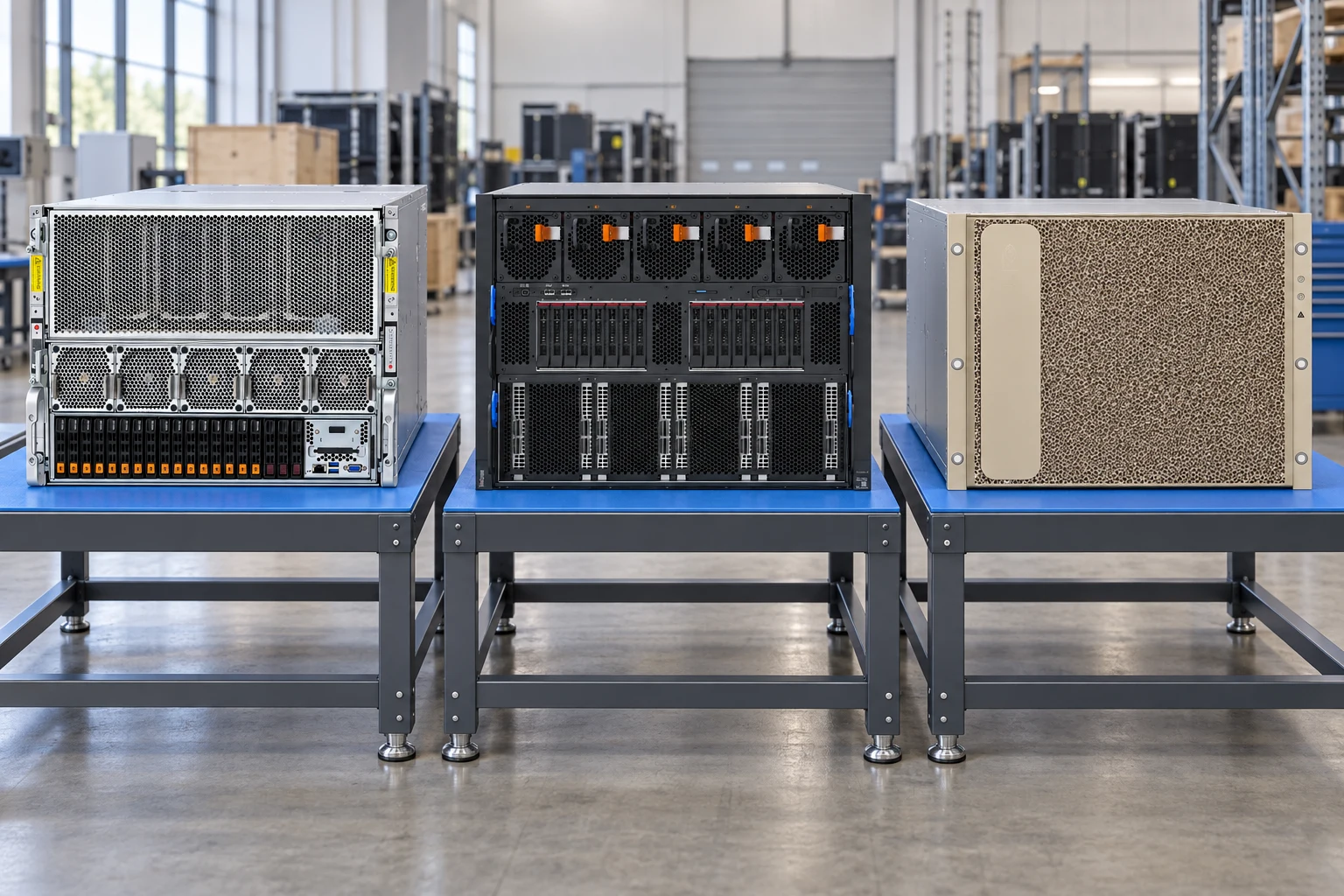
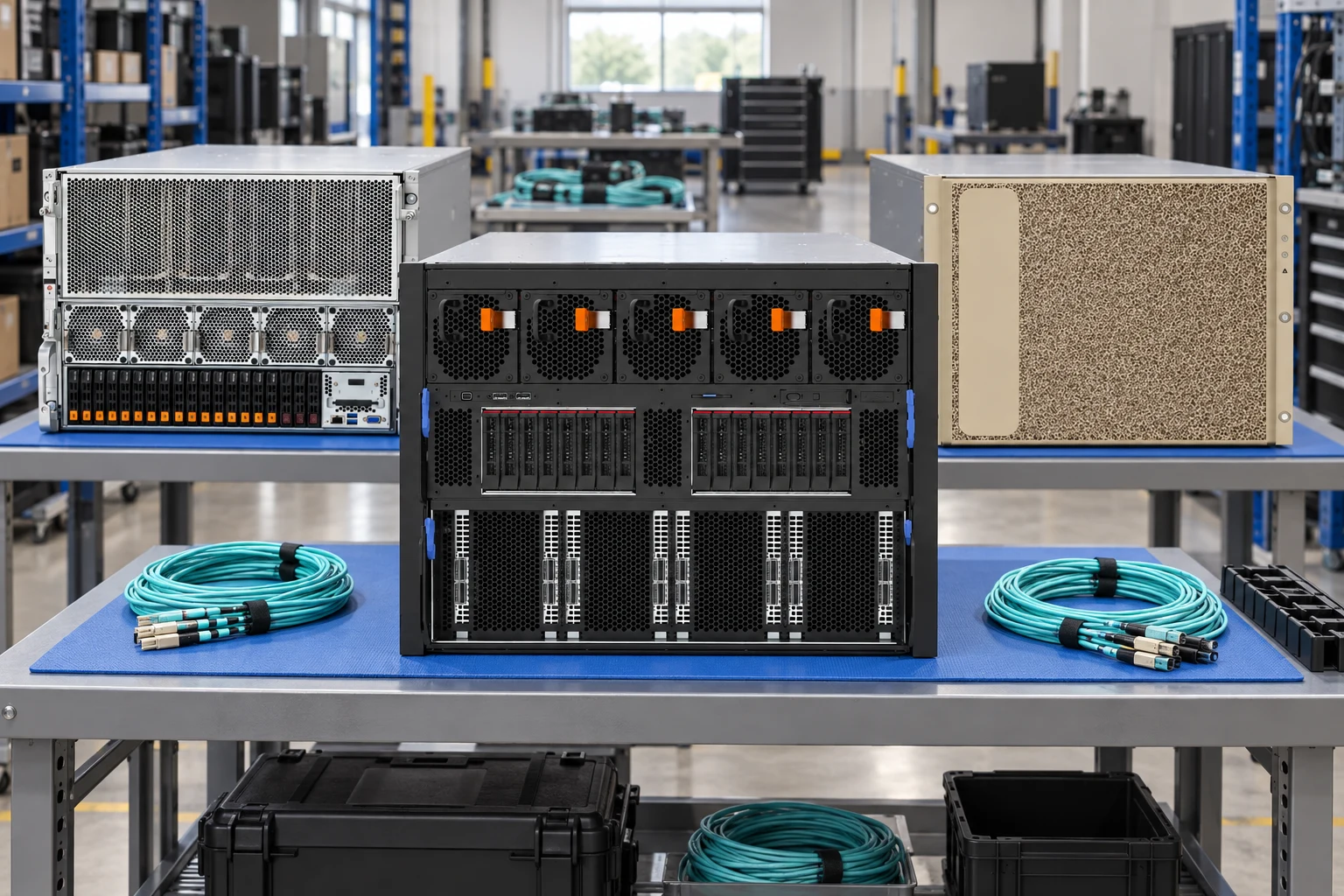
Request a straight-on view with the bezel removed when appropriate. Record the populated bays, blanking panels and drive carriers against the offered chassis configuration.
Ask for both PSU labels, risers, network adapters and the rail kit. Confirm which visible parts are included in the offer rather than assuming the catalog picture defines the BOM.
Use an order-specific report for installed CPUs, DIMMs, storage and management access. A blurred background screen in an illustration is not a diagnostic result.
Distinguish PCIe cards from integrated accelerator baseboards.
This guide adds the decisions, documents and next steps that support this page.
GPU platformsStart with model size, precision, parallelism and dataset movement.
GPU platformsDefine request concurrency, latency target and model-memory footprint.
AI systemsCheck slot width, risers, auxiliary power and supported cooling.
GPU checklistDistinguish PCIe cards from integrated accelerator baseboards.
Plan host networking, GPU interconnect and storage access separately.
Request platform power requirements and facility cooling review.
A planning sequence, not a record of completed work.
Counts show records in the site catalog. They do not represent stock, available quantities or verified compatibility.
Snapshot: 2026-09-15
| Decision | Record in your brief | Evidence to retain |
|---|---|---|
| Accelerator architecture | Distinguish PCIe cards from integrated accelerator baseboards. | Complete identifier and source revision |
| Fabric & data path | Plan host networking, GPU interconnect and storage access separately. | Platform document or written clarification |
| Rack power & cooling | Request platform power requirements and facility cooling review. | Offered-unit details and agreed scope |
Tick items as you prepare them. This is your personal checklist, not a hardware validation.
Saved in this browser when local storage is available.
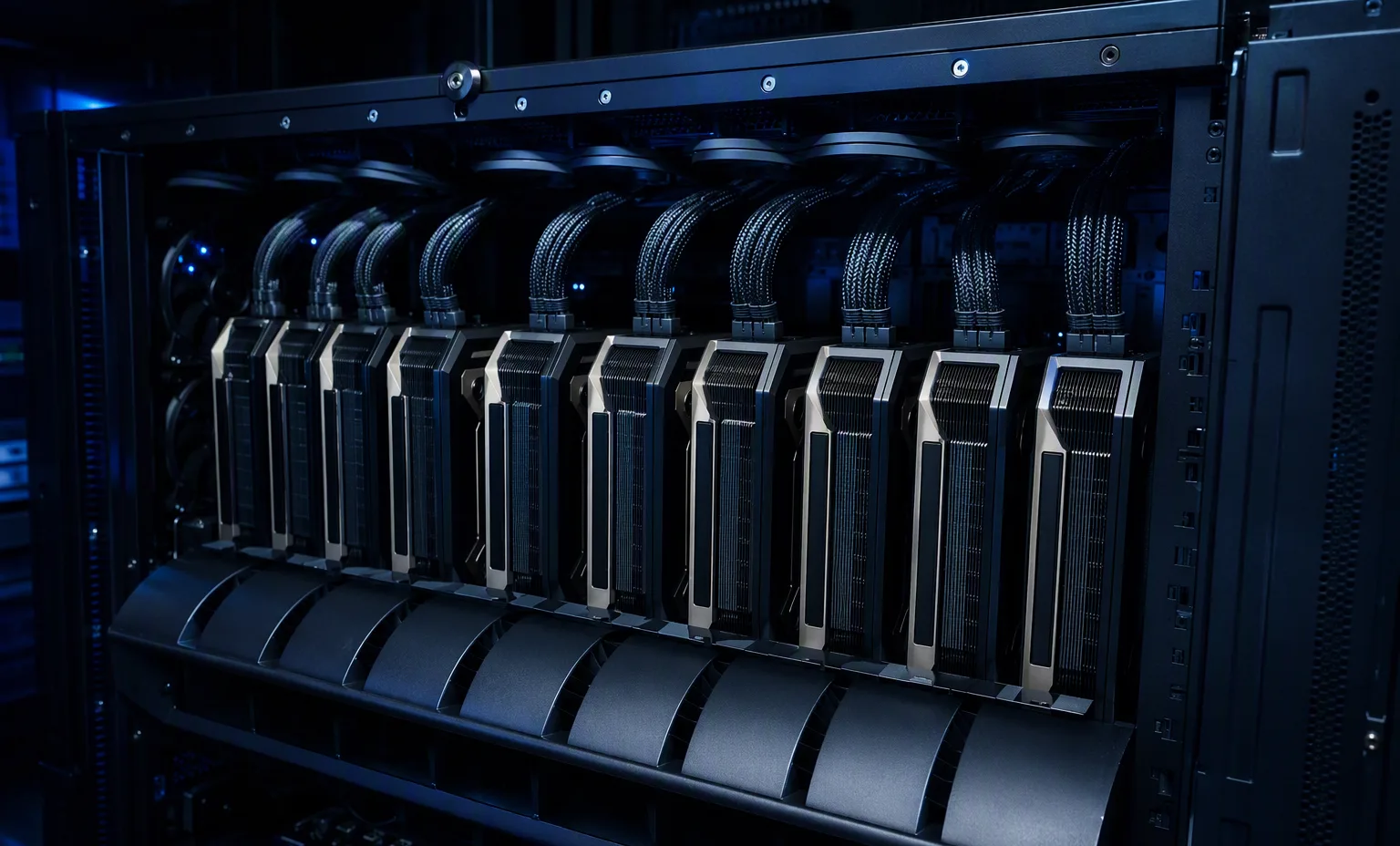
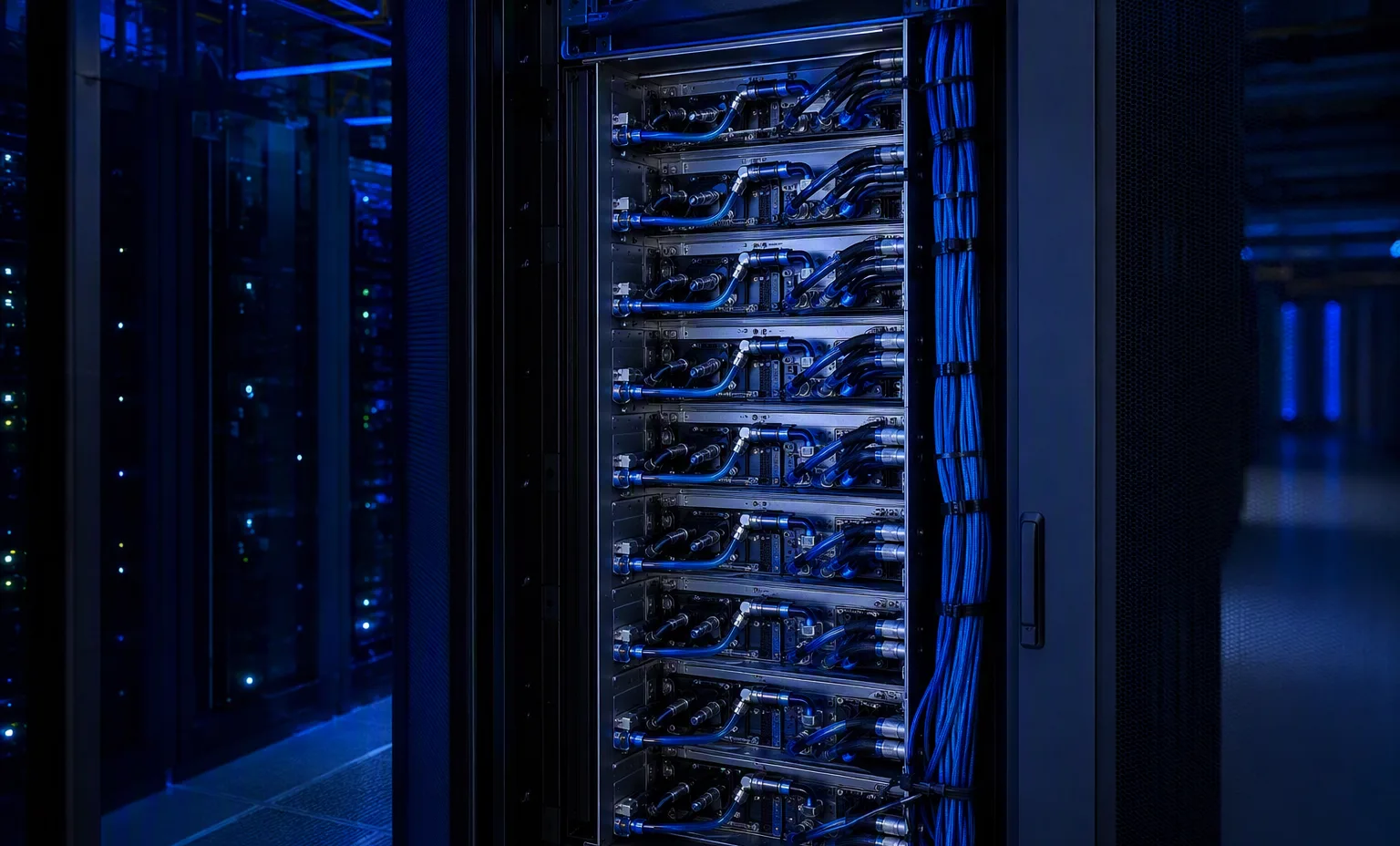
Reference-based generated scenes; actual-unit photos are available only through an explicit unit-specific request. Related models are separate catalog records, not substitutes for the item on this page.
Continue the relevant directory or service flow.
Open resourceUse the connected tool to develop the requirement.
Open resourceRetain the supporting reference with your project brief.
Open resourceWorkload and precision defined · Accelerator model and quantity named · Platform support documents requested · Power and cooling review assigned.